Hearing that you need treatment for a severely damaged or infected tooth can feel overwhelming. One of the first questions many patients ask is whether the tooth should be saved with a root canal or removed altogether.
The answer depends on several factors, including the condition of the tooth, your overall oral health, and your long-term goals. In many cases, preserving a natural tooth is the preferred option when it can be done successfully. However, there are situations where removing a tooth may be the healthier choice.
Understanding the differences between these treatments can help you feel more confident about your care.
What Does a Root Canal Do?
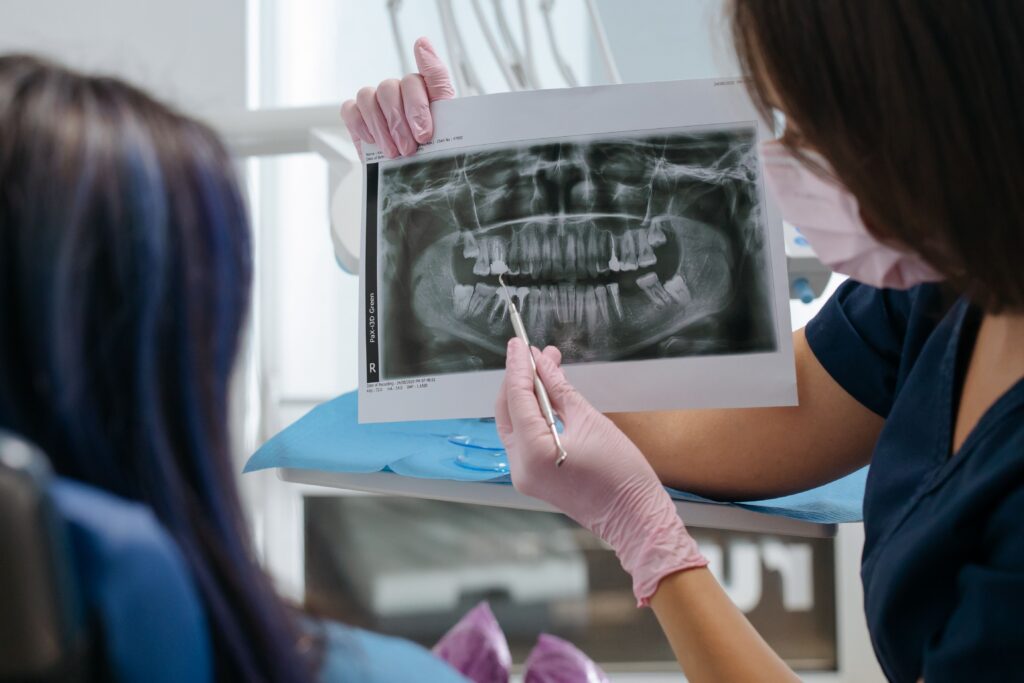
A root canal is a restorative procedure that treats infection or inflammation inside a tooth. During treatment, the damaged tissue inside the tooth is removed, the canals are cleaned and sealed, and the tooth is typically restored with a dental crown to help protect it.
The goal of root canal therapy is to eliminate infection while preserving as much of your natural tooth as possible.
Saving a natural tooth often helps maintain normal chewing function, supports neighboring teeth, and preserves your natural bite.
When Is a Root Canal Often the Better Option?
A root canal may be recommended when the tooth can still be restored and continues to have enough healthy structure to function well after treatment.
Your dentist may recommend saving the tooth if:
- The infection is confined to the inside of the tooth.
- The surrounding bone provides adequate support.
- The tooth can be restored with a crown or other restoration.
- Preserving the natural tooth supports your long-term oral health.
Whenever appropriate, keeping your natural tooth is often considered the most conservative treatment option.
When Might Tooth Removal Be Recommended?
Unfortunately, not every tooth can be saved.
If a tooth extraction is recommended, we’ll explain why and discuss your replacement options:
- The tooth is severely fractured below the gumline.
- Extensive decay has left too little healthy tooth structure.
- Advanced gum disease has significantly reduced bone support.
- Previous treatment has not been successful and the tooth is no longer restorable.
- Keeping the tooth could negatively affect your overall oral health.
If removal is the healthiest option, your dentist will also discuss ways to replace the missing tooth when appropriate to help restore function and maintain your smile.
Why Saving a Natural Tooth Is Often Preferred
Natural teeth are designed to work together. When a tooth can be preserved, it often provides advantages that replacement options cannot completely duplicate.
Saving a natural tooth may help:
- Maintain your natural bite.
- Support efficient chewing.
- Prevent neighboring teeth from shifting.
- Preserve your jaw’s normal function.
- Reduce the need for more extensive restorative treatment.
While modern tooth replacement options are highly effective, preserving a healthy natural tooth is often the first choice whenever it is clinically appropriate.
Every Situation Is Different
There is no one-size-fits-all answer when deciding between a root canal and an extraction.
Your dentist will carefully evaluate:
- The extent of the infection or damage
- The amount of healthy tooth remaining
- The condition of the surrounding bone and gums
- Your overall oral health
- Your long-term treatment goals
This comprehensive evaluation allows you to understand your options and make an informed decision that supports your oral health now and in the future.
Don’t Ignore Tooth Pain
Persistent tooth pain, swelling, sensitivity to hot or cold, or discomfort when chewing should never be ignored.
These symptoms don’t always mean you’ll need a root canal or an extraction, but they do indicate that your tooth should be evaluated promptly. Early treatment may increase the chances of preserving your natural tooth and help prevent more extensive problems from developing.
If you’re experiencing a dental emergency, seeking care as soon as possible can help your dentist diagnose the cause and recommend the most appropriate treatment.
Compassionate Care for Every Smile
At Cox Family Dentistry, we believe exceptional care begins with Compassion. Connection. Confidence. Whether a tooth can be preserved with a root canal or requires removal, our team takes the time to explain your options, answer your questions, and develop a personalized treatment plan based on your individual needs.
If you’re experiencing tooth pain or have been told you may need a root canal or extraction, contact Cox Family Dentistry to schedule an evaluation. Together, we’ll determine the treatment that’s best for your oral health and help you move forward with confidence.
Frequently Asked Questions
Is it better to save a tooth with a root canal or have it removed?
Whenever a tooth can be successfully restored, preserving the natural tooth is often the preferred option. A root canal can remove infection while allowing the tooth to remain in place. However, if the tooth is too damaged or cannot be restored, an extraction may be the healthier long-term choice. Your dentist will recommend the option that best supports your oral health.
How do dentists decide between a root canal and an extraction?
Your dentist will evaluate several factors, including the extent of the damage or infection, the amount of healthy tooth structure remaining, the condition of the surrounding bone and gums, and your overall oral health. Treatment recommendations are always based on your individual needs rather than a one-size-fits-all approach.
Will I need a crown after a root canal?
Many teeth that receive root canal therapy are restored with a dental crown to help protect and strengthen the remaining tooth structure. Whether a crown is recommended depends on the location of the tooth and how much healthy tooth remains.
What happens if a tooth can’t be saved?
If an extraction is necessary, your dentist will discuss options for replacing the missing tooth, such as a dental implant, bridge, or denture when appropriate. Replacing a missing tooth may help restore chewing function and maintain the alignment of your remaining teeth.
Should I wait if my tooth hurts?
No. Persistent tooth pain, swelling, sensitivity to hot or cold, or pain when chewing should be evaluated promptly. Early diagnosis may increase the likelihood of saving your natural tooth and can help prevent more extensive treatment later.